
Coordinate rabies surveillance across your region.
Rabies exposures cross county, tribal, and state lines — but surveillance and public guidance often don't. We're developing a regional coordination model with health jurisdictions, building on PHapp®'s verified, multilingual public layer. It's active work in progress, and we're looking for partners.
This is work we're building with partners now. If your region coordinates rabies surveillance and exposure response, we'd like to involve you early.
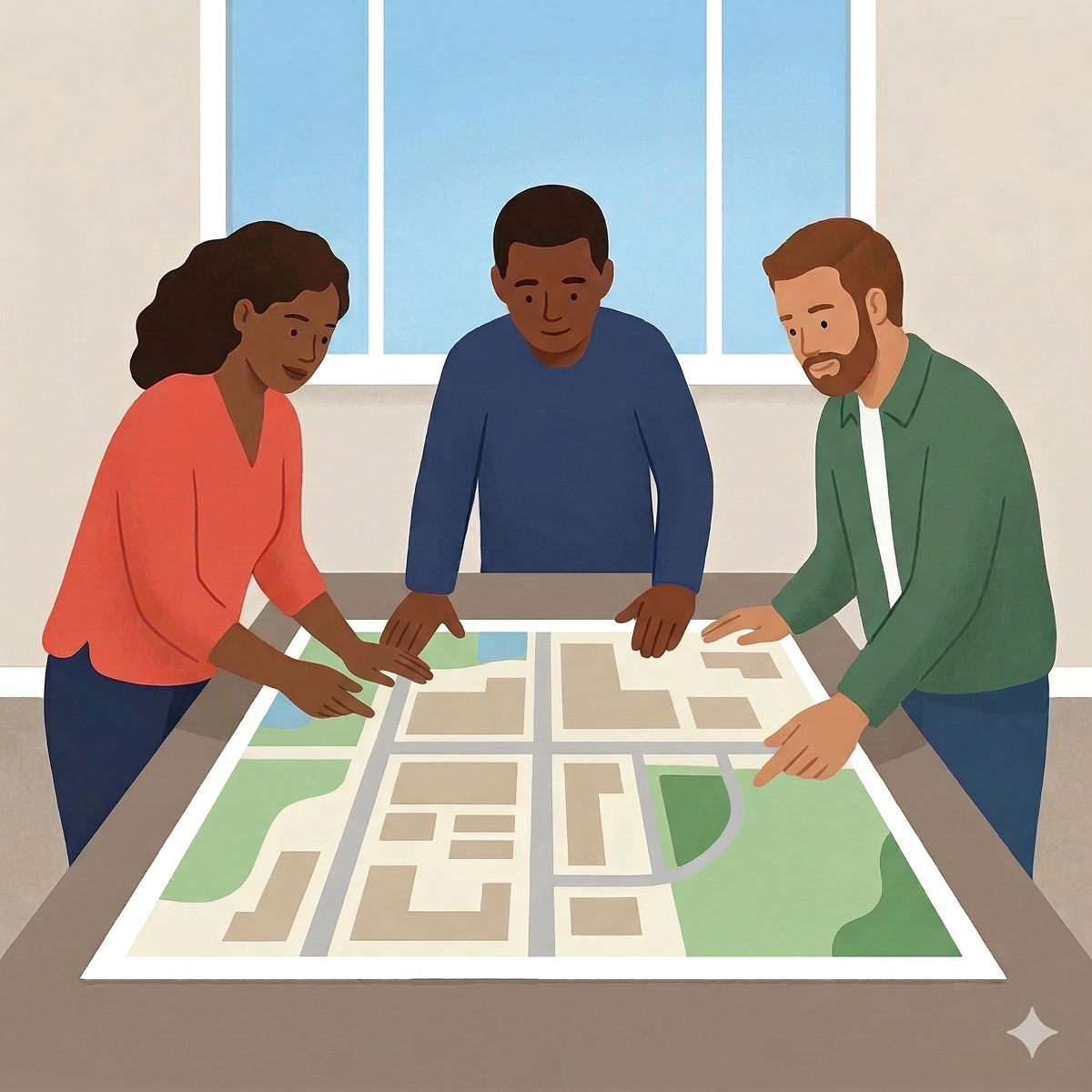
Rabies doesn't respect jurisdiction lines. Coordination shouldn't stop at them either.
Rabies surveillance and response involve many hands across many boundaries:
- Animals and exposures move across borders — between counties, tribal lands, and states.
- The work is split across teams — animal/rabies control, environmental health, epidemiology, and clinicians each hold part of the picture.
- Public guidance fragments — residents near a boundary get different (or no) exposure information depending on which agency reaches them.
- Language gaps — exposure guidance often doesn't reach everyone who needs it, in time.
The coordination model we're building.
A shared regional layer for awareness and consistent public guidance — without replacing anyone's surveillance system.
The model under development uses PHapp®'s existing capabilities as the public-facing layer for regional rabies coordination:
- Consistent exposure guidance across a region, so residents near a boundary get the same verified next steps.
- Multilingual reach in 50+ human-reviewed languages.
- A shared surface where neighboring jurisdictions and partners can keep public messaging aligned while each keeps its own authority.
It complements official surveillance and reporting systems — it doesn't replace them.

What's already in place.
The regional coordination layer is new work. The public-alerting foundation it builds on is live today.
Rabies is already a supported alert topic in PHapp®, so jurisdictions can use what exists now while the coordination model develops:
- Publish verified rabies advisories and exposure guidance to residents.
- In 50+ languages, across app and web, with SMS/text and email in beta.
- From official sources — your agency and recognized authorities.
The regional surveillance-coordination layer is the part we're actively building with partners.
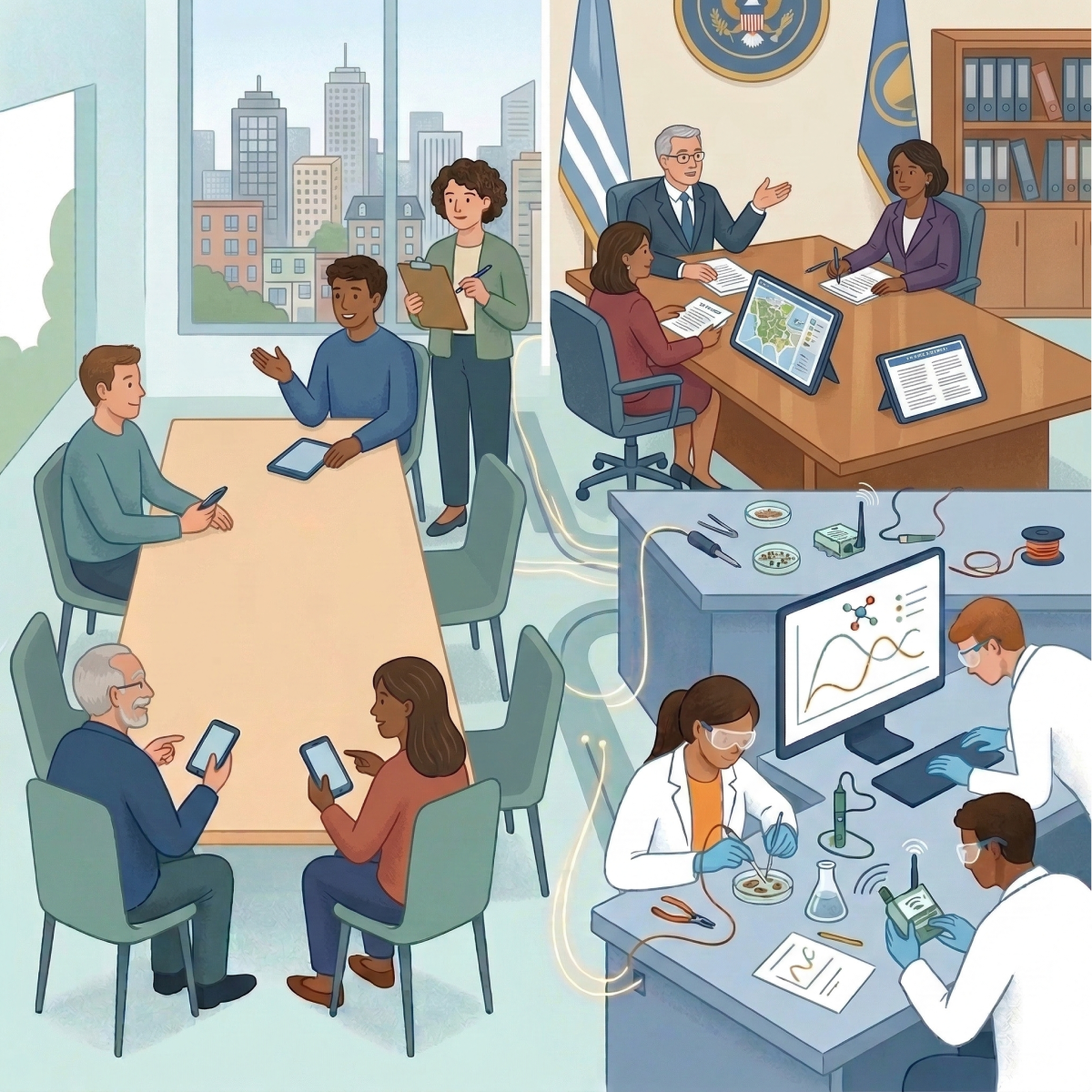
What partners would get.
Aligned public guidance
Consistent, verified exposure guidance across a region, so boundary communities aren't left with conflicting or missing information.
About verified sourcesMultilingual reach
Exposure and prevention guidance in 50+ human-reviewed languages, matched to each resident.
See language accessComplements your systems
Works alongside official surveillance and reporting — adding the public-facing layer, not replacing your tools.
How PHapp fits
Coordinating rabies surveillance in your region?
We're developing this with health jurisdictions and partners now. Get in touch to help shape it and pilot it in your area.
Common questions
Is the regional rabies coordination hub live?
Not yet. The regional surveillance-coordination layer is active work in progress that we're developing with partners. What's live today is the underlying PHapp® public alerting — including rabies as a supported alert topic — which jurisdictions can use now.
Who can get involved?
Health jurisdictions and the teams that handle rabies — animal/rabies control, environmental health, epidemiology, and clinicians managing exposures — especially neighboring jurisdictions that share boundaries.
Does PHapp® replace our rabies surveillance or reporting system?
No. It complements official surveillance and reporting by adding a verified, multilingual public-facing layer for consistent exposure guidance. It is not a surveillance system of record.
What does it cost to participate?
Agency adoption of PHapp® is free — no contract, no setup fee. Reach out through the Support Hub or the get-involved link to help shape the coordination work.